
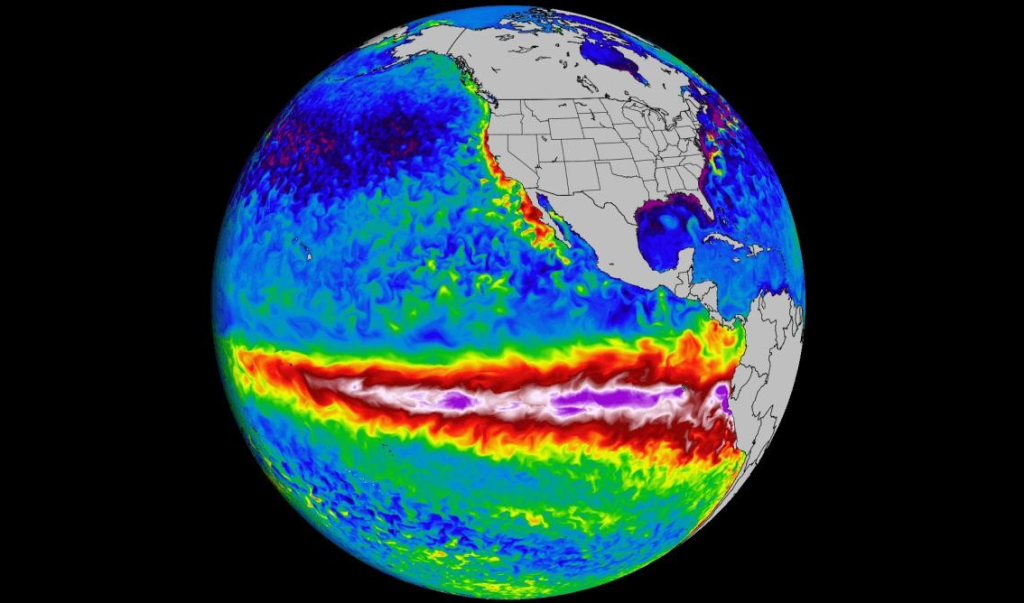
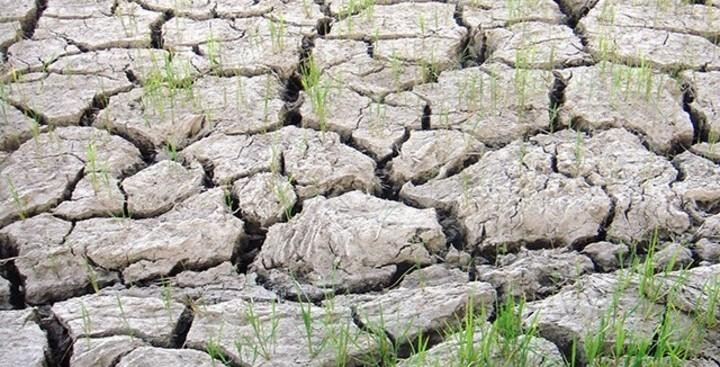
THE Department of Agriculture (DA) is preparing for a potentially severe El Niño later this year (2026), warning that a prolonged dry spell could hit farm output, push up food prices, and affect economic growth.
Agriculture Secretary Francisco Tiu Laurel Jr on Friday said he has ordered preparations for the “worst-case scenario” to mitigate the El Niño’s impact on farm production, farmers’ income, and economic activity.
“It is no longer a question whether we will experience another El Niño after the 2024 episode that undermined rice harvest. The only question that needs to be answered is its intensity,” he said.
In 2024, agricultural output declined 2.2 percent, driven by a 4.2 percent contraction in the crops sector, which accounted for 56 percent of total farm production. Rice and corn were among the hardest hit.
Following significant crop losses in 2024, the Department is activating measures to protect farmers and ensure food security.
The DA has ordered the Masagana Rice Industry Development Program to prepare for worst-case scenarios, with support from the Philippine Rice Research Institute (PhilRice) and other units.
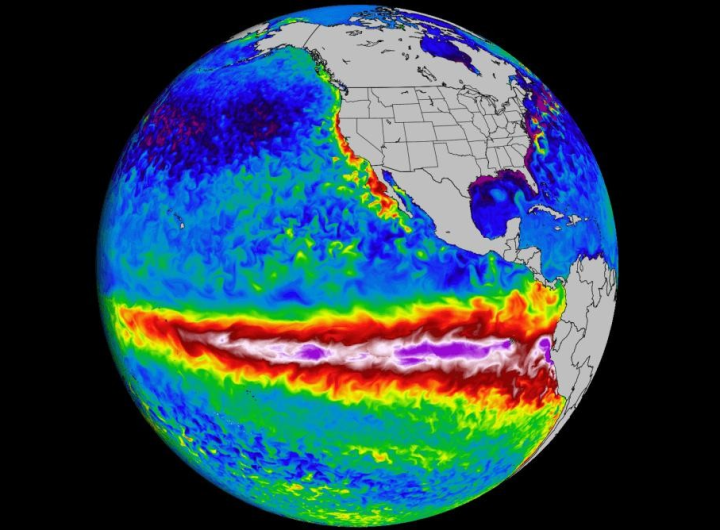
According to the Philippine Atmospheric, Geophysical and Astronomical Services Administration (PAGASA), there’s a 92 percent probability for a moderate to strong El Niño episode in the Philippines based on the El Niño-Southern Oscillation (ENSO) outlook.
ENSO is a recurring climate pattern driven by changes in sea surface temperatures and atmospheric pressure in the Pacific.
When these conditions intensify significantly, they are classified as a “Super El Niño,” resulting in far-reaching and severe impacts on global weather patterns.
PhilRice Executive Director John de Leon said the Philippines is prone to a potential “super” El Niño, with projected warming of up to 2.2 degrees Celsius, which could sharply reduce rainfall and strain water resources in key agricultural areas.
He said officials are reviewing rainfall projections and water availability to adjust planting strategies and mitigate risks.
Earlier, DA spokesperson Assistant Secretary Arnel de Mesa said the DA is prioritizing the establishment of solar-powered irrigation systems to help address surging fuel and electricity costs and provide water in farms affected by drought.
The country’s peak land preparation is set from May to June, where local farmers use fuel for tractors, cultivators, and withers, alongside fertilizer application.
The DA is also coordinating with the National Irrigation Administration (NIA) to optimize water allocation and ensure irrigation systems are ready for prolonged dry spells.
 5 DETAINEES DIE IN POLICE CAR CRASH IN QC
  GATCHALIAN BILL SEEKS SOCIAL MEDIA BAN FOR MINORS UNDER 16
  PRESIDENT MARCOS TO MAKE STATE VISIT TO JAPAN IN MAY
  PAGASA ISSUES EL NIÑO ALERT
  ICC CONFIRMS CHARGES VS DUTERTE
  DMW STEPS UP CRACKDOWN ON SCAM HUBS TARGETING OFWS
  CHURCH IN ZAMBALES BURGLARIZED
  P9.6-M ILLEGAL STEEL PRODUCTS SEIZED IN PAMPANGA
  DA BRACES FOR ‘STRONG’ EL NIÑO
  4 NABBED FOR ILLEGAL SALE OF DIESEL IN TARLAC